


NCDC Competitive Team Handbook
Welcome to the North Calgary Dance Centre Competitive Handbook. We created this guide to provide a clear outline of the studio’s competitive policies, values and expectations for our dancers and families. Please refer back to this handbook to review any pertinent information if clarification is needed and as always, we welcome reaching out to the office with questions at any time!
Part 1 — Welcome & Our Foundation
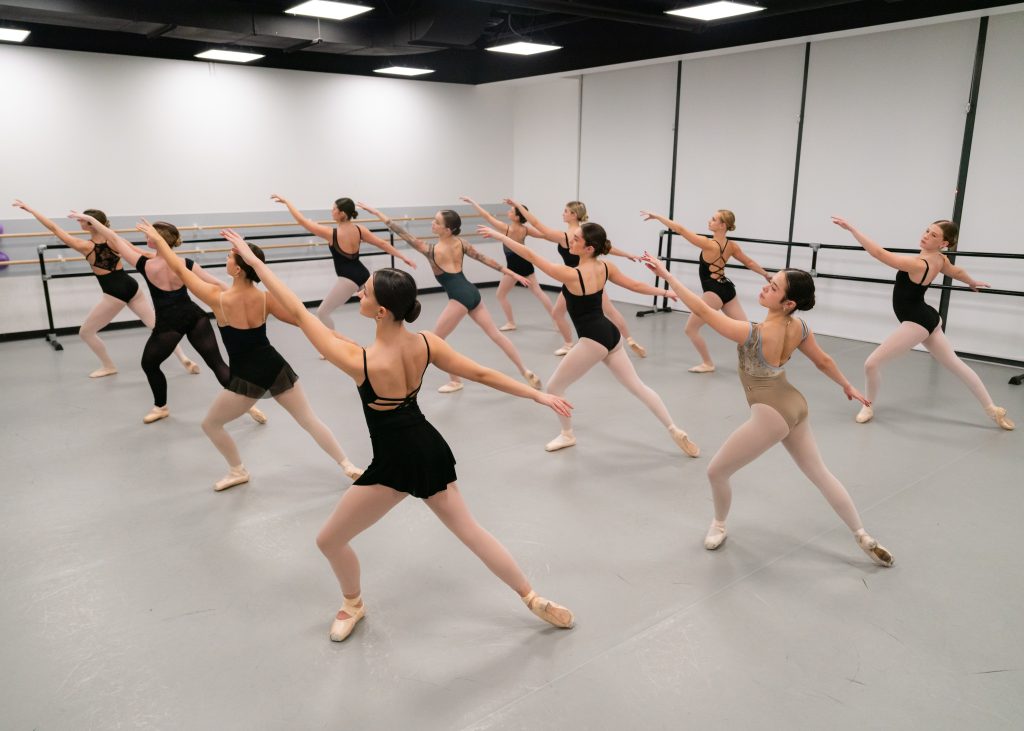
1.1 Welcome to the NCDC Competitive Team
Welcome to another exciting season with the North Calgary Dance Centre Competitive Team!
Whether this is your first year joining us or your tenth, we are so grateful you’ve chosen to be part of our community. Being a member of the NCDC Competitive Team is about much more than preparing routines for the stage. It is a commitment to personal growth, teamwork, creativity, resilience, and a shared love of dance.
Over the course of the season, our dancers will spend countless hours training, rehearsing, performing, celebrating successes, overcoming challenges, and supporting one another. Through these experiences, they will develop not only as dancers, but as confident, compassionate young people equipped with skills that will serve them far beyond the studio.
This handbook has been created to help dancers and families understand how our competitive program operates and what you can expect throughout the season. It outlines our philosophy, values, policies, and procedures while providing insight into why we do things the way we do.
We encourage you to read through the handbook carefully before the season begins and refer back to it whenever questions arise. Open communication and shared understanding allow us to create the best possible experience for every dancer.
We are so excited to begin another season together and cannot wait to see where this journey takes us, welcome to the team!
1.2 Our Philosophy
At North Calgary Dance Centre, our competitive program is about so much more than preparing dancers for the stage. We believe dance has the power to shape confident, resilient, compassionate young people. Every class, rehearsal, performance, and competition is an opportunity to grow — not only as artists, but as humans.
Our goal is to create an environment where dancers feel challenged, supported, and inspired to become the very best version of themselves. Technical excellence is important, but we believe qualities such as integrity, perseverance, curiosity, accountability, kindness, and teamwork are equally valuable.
We believe dancers do their best work when they feel safe to take risks, ask questions, make mistakes, and try again. Progress is not always linear, and success will look different for every dancer and at every stage of their journey.
Training the Whole Dancer
Technique remains the foundation of our competitive program. Regular technical training continues throughout the competitive season and is intentionally balanced with choreography, rehearsal, performance experience, and artistic development to help our dancers become well-rounded performers.
Our core groups are thoughtfully selected to provide dancers with balanced technical, artistic, and performance development. Choreography is primarily scheduled outside of regular weekly classes so that learning routines does not replace the consistent technical training that supports a dancer’s long-term growth.
We also view choreography and rehearsal as important extensions of a dancer’s training. Dedicated rehearsal time allows dancers to apply their technique and corrections within choreography while developing consistency, synchronization, artistry, performance quality, confidence, and teamwork. A routine is never simply something to learn and perform — it continues to develop throughout the season as dancers learn to apply their training within the work.
Growing as Individuals and as a Team
We believe the strongest teams are built through collaboration rather than comparison. Our teachers work together to create opportunities that best serve our dancers, and our dancers learn that the success of one person does not take away from the success of another.
Every dancer’s journey is different. Opportunities may change from season to season as dancers grow, develop, and move through different stages of their training. Additional opportunities are not a measure of a dancer’s value or potential, and we encourage dancers to focus on the opportunities in front of them rather than comparing their path to someone else’s.
At the same time, being part of a competitive team means recognizing that we are part of something larger than ourselves. Every dancer plays an important role within their group routines, and each person’s preparation, attendance, effort, and commitment contribute to the development, confidence, and success of the team.
Commitment within a team is therefore both individual and collective. Dancers are responsible for their own growth, but they also learn that their choices affect their teammates. Showing up prepared, following through on commitments, practicing independently, and contributing fully are all ways we demonstrate respect for the people we dance alongside.
Reliability, accountability, consistency, and showing up for one another build trust — qualities that strengthen our team and extend far beyond the dance studio.
Many of our dancers spend years growing up within NCDC. Over time, teammates become close friends, younger dancers find mentors in older students, and families become an important part of our studio community. We value the opportunity to walk alongside our dancers through many stages of their development and to create a place where they feel known, supported, and that they belong.
How We Define Success
While awards and results can be exciting, they are never our measure of success.
Success can be found in the dancer who finally achieves a skill they have worked toward for months. It can be found in the teammate who offers encouragement when someone is having a difficult day. It is found in the courage to perform wholeheartedly, the willingness to receive corrections with humility, the discipline to honour a commitment to the team, and the determination to continue growing even when progress feels slow.
Above all, we hope every dancer leaves our program with beautiful memories, meaningful friendships, a strong work ethic, confidence in who they are, and a love of movement that continues long after their competitive dance journey has ended.
1.3 Why We Compete
People often assume competitive dance is about winning. While celebrating accomplishments is certainly part of the experience, competition represents something much bigger for our dancers.
Competition gives our dancers the opportunity to take the work they do in the studio and share it beyond our walls. It is also an opportunity to participate in the larger dance community — to experience new environments, learn from other artists, celebrate great dancing wherever we see it, and gain new perspectives that contribute to our growth.
Competitions provide meaningful opportunities to:
- Perform for experienced industry professionals and receive valuable feedback.
- Build confidence by performing multiple times throughout the season.
- Learn how to manage nerves and perform under pressure.
- Watch incredible dancers and choreography from across the province.
- Develop resilience through both success and disappointment.
- Celebrate the hard work that takes place in the studio every week.
- Build friendships and create lifelong memories with teammates.
- Experience the joy and excitement of sharing dance with a larger community.
We encourage our dancers to approach every competition with curiosity rather than comparison. Watching other dancers, learning from respected adjudicators, supporting and celebrating performers from every studio, and being inspired by the artistry and accomplishments of others are all valuable parts of the experience. Every performance is an opportunity to learn, grow, and become a stronger artist.
A score sheet is one piece of feedback from one performance on one day — not the final measure of a dancer’s worth, success, or potential. Growth, artistry, teamwork, perseverance, and character cannot be measured by a single score. Ultimately, we care far more about how our dancers grow, how they treat others, and how they represent themselves than where they place.
1.4 Our Values
Everything we do at NCDC is guided by a shared set of values. These values shape our culture, influence our decisions, and define what it means to be a member of our competitive team. They are the foundation of how we learn, how we support one another, and how we represent ourselves both inside and outside the studio.
We value effort over perfection.
Progress comes from consistent effort, thoughtful practice, and a willingness to keep trying. Mistakes are welcomed as an essential part of the learning process, and every challenge is an opportunity to grow.
We value growth over results.
Awards are exciting, but growth is what lasts. We celebrate dancers who challenge themselves, embrace feedback, remain curious, and continue striving to become the best version of themselves.
We value teamwork.
Every dancer contributes to the success of the team. We celebrate one another’s accomplishments, encourage each other through challenges, and understand that our greatest achievements are built on trust, collaboration, and shared success.
We value respect.
Respect is demonstrated through our actions. We honour our teachers, choreographers, teammates, families, volunteers, competition staff, other studios, and ourselves by listening, communicating thoughtfully, and treating every person and space with care.
We value trust.
Trust is the foundation of a strong community. We believe that dancers, teachers, parents, choreographers, and studio staff all play an important role in a dancer’s journey. By honouring our commitments, communicating openly, and supporting one another, we create an environment where everyone feels confident, supported, and able to do their best work.
We value accountability.
Growth requires ownership. We provide our dancers with the instruction, feedback, opportunities, and tools they need to succeed. In return, we ask them to take responsibility for their learning by arriving prepared, applying corrections, practicing consistently, and following through on their commitments.
We value professionalism.
Professionalism isn’t reserved for professional dancers — it begins here. We encourage our dancers to be punctual, prepared, organized, and dependable. They learn to care for their costumes and belongings, communicate respectfully, and represent themselves and NCDC with pride, integrity, and maturity wherever they go.
We value kindness.
Kindness is one of our greatest strengths. We choose encouragement over comparison, celebrate one another’s successes, offer support during challenges, and work to create an environment where every dancer feels welcomed, valued, and safe to be themselves.
We value artistry.
Technical excellence provides the foundation, but artistry brings movement to life. We encourage dancers to explore creativity, musicality, storytelling, and authentic performance while discovering the unique voice they bring to every piece they perform.
Part 2 — The Competitive Season
2.1 The Competitive Season at a Glance
While each season varies slightly, the competitive year generally follows this timeline:
June → Auditions & Team Placements
- Competitive auditions take place at the beginning of June.
- For new students, the audition process may continue throughout June and may not be finalized until our Summer Intensive in August.
July → Registration & Season Planning
- Team placements are determined and communicated at the beginning of July.
- Competitive registration begins.
August → Intensive Camp & Choreography Starts
- The Intensive Camp dates are set one year in advance and are outlined on the studio calendar, and mandatory for all competitive dancers. New students accepted into the program will have placement and registration confirmed after the intensive week.
- Choreography blocks for Junior and older dancers may be set for mid-late August and into early September and will be communicated to all families on August 1st.
September – December → Choreography Blocks
- Competitive routines are created through scheduled choreography blocks.
- Choreography takes place primarily on designated weekends outside of regular class time.
January – April → Rehearsal & Refinement
- Weekend rehearsals begin in January.
- Routines are rehearsed and refined in preparation for competition season.
Spring → Competition Season
- Dancers participate in scheduled regional competitions throughout the spring.
- Competition dates and details are provided in the Annual Competition Guide – Important Dates.
Year-End/June → Showcase & National/Finals Opportunities
- Competitive routines are performed at our year-end Showcase.
- In some seasons, we may have dancers who qualify at regionals for additional events, who will have the opportunity to attend Provincial and/or National Events in June/July.
Scheduling
Schedules may evolve throughout the season as groups are formed and opportunities arise. Whenever possible, schedules will be provided at least one month in advance.
Please refer to the Annual Guide – Important Dates for the complete season calendar, including choreography weekends, rehearsals, competitions, studio events, and other important dates.
A Note for Pre-Mini Families
Our Pre-Mini program is designed as a gentle introduction to competitive dance. Pre-Mini dancers participate in one core competitive group in up to 3 local competitions that season. As dancers progress through the competitive program, the number of core groups, competitions, training hours, and overall commitment gradually increases.
While some information throughout this handbook applies primarily to older or more experienced competitive dancers, the philosophy, values, and expectations outlined here are shared across our entire competitive team.
2.2 Invitations & Team Placement
Each season, our teaching team evaluates every competitive dancer to determine their recommended placement for the upcoming season. Invitations are based on a variety of factors, including technical ability, work ethic, attitude, commitment, maturity, consistency, artistry, and the needs of each group as a whole.
Competitive levels are not necessarily linear. Depending on their individual development, a dancer may be recommended to remain at the same level for another season, move to a different competitive team or level, or transition to the recreational program. Placements are considered each season based on the dancer’s current development and the overall composition of the team.
Additional opportunities may also take into consideration a dancer’s readiness for increased responsibility, independent practice habits, scheduling availability, and overall workload.
Placement in Acro classes is unique and unlike the other disciplines offered, where dancers take all classes with their core team. Dancers taking Acro may be split into combined classes based on strength, maturity and specific skill sets.
In order to train our Acro dancers in a safe and productive manner, and account for changes in physical structure and flexibility, we re-evaluate all dancers each season and confirm placement within the proper classroom in late September.
Because every dancer’s path is individual, we encourage families to avoid comparing invitations between dancers. Invitations reflect what our teaching team believes is the most appropriate placement and combination of opportunities for each dancer for the upcoming season.
One final thing to keep in mind is that no two seasons at NCDC are exactly alike. Each year, we are working with a new combination of dancers, teachers, choreographers, schedules, availability, and opportunities. There are many moving pieces, and as those pieces change, the way we structure certain aspects of the competitive program may change as well.
While there are elements of the program we work hard to keep consistent, families should not assume that something offered or scheduled a certain way in a previous season will necessarily work the same way the following year. Things such as optional group offerings, rehearsal schedules, choreography blocks, Comp Slots, and other opportunities may evolve from season to season.
Part of continuing to grow and strengthen our program is being willing to evaluate what is working, respond to the needs of the current team, and adjust how we do things when it makes sense. We encourage families to use the information provided for the current season as their point of reference, rather than relying on how something may have been done in previous years.
2.3 Core Groups
Each competitive dancer is expected to participate in the core groups outlined in Section 1 of their invitation.
The number of core groups generally increases as dancers progress through the competitive program, beginning with one core group at the Pre-Mini level and gradually increasing to a maximum of five core groups.
Core groups form the foundation of each dancer’s competitive program for the season. Accepting a competitive invitation means committing fully to each core group.
2.4 Optional Groups & Additional Opportunities
Some dancers may be invited to participate in optional groups, specialty pieces, solos, or other additional opportunities beyond their core groups.
Participation in these opportunities is optional and will be clearly identified in Section 2 of each dancer’s invitation.
Optional Groups
- Optional groups are in addition to a dancer’s core groups.
- Optional groups may not perform in NCDC’s annual year-end recital.
- Should registration numbers or team composition change, the studio may reorganize, combine, or cancel optional groups as necessary.
Solos
Dancers who are offered a solo should refer to Part 8 – Solos for information regarding scheduling, choreography, fees, rehearsals, and other commitments.
2.5 Group Choreography Blocks
Group choreography is primarily taught through scheduled weekend choreography blocks during the fall. Regular class time may also be used for choreography or rehearsal when needed.
Choreography schedules will be provided in advance. Families are expected to review all choreography dates before accepting their competitive invitation and ensure dancers are available for the scheduled sessions.
Attendance at all scheduled choreography blocks is required, as choreography builds from one session to the next.
2.6 Weekend Rehearsals
Once choreography has been completed, scheduled weekend rehearsals are used to clean, refine, and prepare competitive routines for performance.
Attendance at all scheduled weekend rehearsals is required.
For Teen, Senior, and Advanced dancers, weekday Comp Slots included in the regular weekly schedule may also be used for competitive rehearsals.
2.7 Comp Slots — Teen, Senior & Advanced
Teen, Senior, and Advanced dancers will have a weekly Comp Slot included in their regular schedule beginning in September.
Comp Slots may be used for choreography, rehearsals, or other competitive team work and will be adjusted as needed throughout the season.
Senior and Advanced dancers must remain available for both levels of Comp Slots, as these teams are frequently combined for rehearsals. When needed, Senior and Advanced dancers may rehearse for the full two-hour block.
Part 3 — Commitment & Attendance
3.1 Commitment Matters
Being a member of the NCDC Competitive Team is a privilege that comes with responsibility.
When dancers accept a place on our competitive team, they are making a commitment not only to themselves, but also to their teammates, teachers, and choreographers.
Competitive dance is unique in that every dancer plays an important role. Each rehearsal builds upon the last, and a single absence can affect formations, spacing, partnering, timing, and the progress of the entire group. Unlike in most other sports, substitutions between positions within choreography is not usually possible, therefore consistent attendance is an essential part of every dancer’s role on the team.
We recognize that competitive dance requires a significant commitment from both dancers and their families, and that commitment naturally grows as dancers progress through the program. Weekly training, choreography weekends, rehearsals, competitions, and performances are all planned around the full team.
Before accepting a place on the team, families should thoughtfully consider the commitment required. While unexpected situations will arise, accepting a competitive position means making scheduled NCDC commitments a priority whenever possible. At times, this may mean saying no to other extracurricular activities, weekend trips, or competing priorities.
We sincerely appreciate the time, dedication, and support our dancers and families contribute throughout the season.
3.2 Attendance Expectations
Weekly Training
Weekly classes provide the technical foundation dancers need to perform safely, confidently, and consistently throughout the season. Competitive dancers are expected to maintain a minimum of 90% active attendance in all registered classes.
If attendance falls below this expectation, the studio may recommend makeup classes, private lessons, or other options to help ensure the dancer remains prepared for rehearsals and performances.
When appropriate, dancers who are unable to fully participate due to injury or illness are encouraged to attend class to observe, take notes, mark choreography, and remain engaged.
Weekend Rehearsals
Attendance at all scheduled weekend rehearsals is required. These rehearsals are dedicated to learning choreography, refining formations, developing performance quality, and preparing routines for the stage.
Families should carefully review rehearsal schedules before accepting a competitive invitation, as rehearsals are held primarily on weekends throughout the season.
Dancers who miss scheduled choreography or rehearsal time may be removed from sections of a routine at the choreographer’s discretion. Repeated absences—particularly when unexpected or not communicated in advance—may result in removal from the routine entirely.
Choreographers cannot always restructure or reteach material created in a dancer’s absence. Decisions regarding a dancer’s participation in choreography will be made at the choreographer’s discretion and with the needs of the full team in mind.
Choreography Blocks
Attendance at all scheduled choreography blocks is required.
Choreography is different from a regular class or rehearsal. Dancers are not simply learning steps—they are part of the creative process. Their movement, strengths, energy, relationships, and presence help shape the work as it is being created.
Why Attendance During Choreography Matters
- Dancers are part of the creative process.
Dancers don’t simply learn choreography—they help inspire it. Creative decisions are made in response to the dancers in the room and the way they move and work together. - We need the full group to see the full picture.
Formations, patterns, spacing, transitions, partnering, and group images are built around the dancers in the room. It’s like trying to complete a 50-piece puzzle while still creating or developing what that final picture will be, but with several pieces missing. You can make your best guess, but you can’t truly see how the picture fits together until every piece is there. - Absences affect the dancers around them.
Missing dancers don’t simply leave an empty space. Teammates must approximate spacing, pathways, timing, and partnering, which often need to be relearned or adjusted when the dancer returns. - Absences can limit the creative possibilities.
When dancers aren’t present, creative decisions must be made around the dancers who are. Formations, partnering, transitions, and featured moments may need to be approached differently simply because the full group isn’t available during the creation process. - Choreography can’t simply be learned later from a video.
A video can be a tool to help a dancer learn movement, but it can’t capture everything developed in the room—musicality, intention, dynamics, spacing, corrections, context, and the many small details that develop throughout the process. Missing hours or days of choreography leaves gaps that are difficult to recreate afterward. - The dancer who misses is affected too.
We never want a dancer to return feeling behind, uncertain, or disconnected from the piece. Missing choreography means missing not only material, but also the shared understanding that develops while the piece is being created. Even with extra support, it can be difficult to recreate that confidence and connection afterward. - Catching up affects the whole team.
Bringing a dancer into an already-created piece requires teachers and teammates to revisit material, formations, and transitions, taking time away from progressing and cleaning the routine.
There is no true replacement for being present during choreography.
Videos, private lessons, and additional rehearsals can help manage an unavoidable absence, but they cannot fully recreate the experience or information gained by being in the room while the piece is being created.
We want every dancer to begin the season feeling confident, connected to their teammates, and fully part of the work—and being present for the creation of that work gives them the very best opportunity to do that.
Competitions, Dress Rehearsals & Performances
Attendance is required at all scheduled competitions, stage rehearsals, dress rehearsals, and performances.
Competition schedules are determined by event organizers and are often released only a few weeks in advance. Families should avoid scheduling vacations or other commitments that may conflict with competition weekends.
Dancers are expected to arrive on time, fully prepared, and ready to support both their own performances and their teammates throughout the event.
3.3 Arriving Prepared
Showing up means more than simply being present. Competitive dancers are expected to arrive prepared—physically, mentally, and emotionally—and ready to work.
Dancers are expected to:
- Arrive at least 15 minutes early for rehearsals unless otherwise instructed.
- Be physically and mentally ready to begin at their scheduled start time.
- Wear the required rehearsal attire and appropriate footwear.
- Bring water and any required equipment.
- Have music readily available when requested.
- Know their choreography, spacing, and corrections.
- Practice independently between rehearsals.
Rehearsal time is valuable. Dancers are expected to take ownership of their progress by reviewing choreography, applying corrections, and practicing between rehearsals so that scheduled rehearsal time can be focused on refining and moving the work forward.
3.4 Illness & Injuries
The health and wellbeing of our dancers will always come first. The Dancer before the dance.
If a dancer becomes injured or is unable to participate due to illness, families should notify the office by email as soon as possible. Timely communication allows our teaching team to stay informed and develop an appropriate plan moving forward, and any regular class absences should be communicated using the ‘Absence Form’ found on the Competition Portal on our website.
When appropriate, dancers who are unable to fully participate are encouraged to continue attending classes and rehearsals to observe, take notes, mark choreography, and remain connected to the learning process.
Every injury is unique. Return-to-dance plans should consider the guidance of healthcare professionals when appropriate, alongside communication between the dancer, family, and NCDC teaching team.
For group routines, NCDC will determine when and how a dancer returns to choreography based on their ability to safely participate and the needs of the routine and team. A return to regular activity does not necessarily mean an immediate return to all choreography or performance responsibilities.
Our priority is a safe, confident, and successful return to dance.
Part 4 — Communication
4.1 Communication at NCDC
Clear, respectful communication helps keep our competitive program organized, informed, and supported throughout the season.
Our goal is to make communication as clear and consistent as possible so families know where to go with questions and our teachers can remain focused on teaching and supporting our dancers. If you’re ever unsure about something, please reach out. We’d much rather answer a question early than have a family feeling uncertain or overwhelmed.
Most important information regarding the competitive team will always be posted on our website’s Competition Team Portal. Please reference this for the most up to date versions of schedules, and info. Please avoid relying on group chats for studio information, as details can easily be misunderstood or unintentionally shared incorrectly. We understand that group chats can be helpful for planning team social events and connecting with one another; however, they should not be used as a point of reference for schedules, rehearsal details, or other studio information.
NCDC will always communicate relevant information directly to dancers and families by email. When in doubt, please refer to communication from the studio or reach out to us directly for clarification.
4.2 Assume Good Intent
Throughout a busy season, schedules may change, emails may be overlooked, unexpected challenges may arise, and despite everyone’s best efforts, mistakes will occasionally happen. When they do, we ask our entire community to begin from the same place – assuming good intent.
Our teachers, office staff, choreographers, volunteers, parents, and dancers share the same goal: creating a positive and successful experience for our dancers. When questions, concerns, or mistakes arise, we expect communication to remain open, respectful, and solution-focused. Please reach out directly so we can listen, clarify, and work together toward an appropriate resolution.
Trust is strengthened when we approach one another with respect, understanding, and the belief that everyone is working toward the same goal.
4.3 Who to Contact
To help us respond efficiently and ensure information reaches the appropriate people, families should follow the communication guidelines below.
The Studio Office
The studio office is the primary point of contact for all competitive team communication.
Please contact northcalgarydance@gmail.com regarding:
- Schedules
- Attendance and absences
- Competitions
- Costumes
- Registrations
- Fees and billing
- Injuries or medical concerns
- Scheduling conflicts
- Time-sensitive questions
For private or sensitive matters concerning a dancer, family, or team, please communicate directly with the studio office by email rather than through informal conversations, personal messaging, or social media. Information will be shared with the appropriate members of the NCDC team as needed.
4.4 Teacher Communication
The studio office should remain the first point of contact for questions or concerns requiring a teacher’s attention. The office team will respond directly when appropriate or ensure the message reaches the correct teacher when their input is needed.
There is no need to address emails to a specific teacher or staff member in the subject line. Messages sent to northcalgarydance@gmail.com are reviewed by the office and directed to the appropriate person as needed.
Teachers may communicate directly with dancers and families regarding choreography, rehearsal notes, solo scheduling, or other dancer-specific matters. Faculty email addresses may be used for these established communications; however, they are not monitored in the same way as the studio inbox, and families should not expect regular or immediate responses. Many of our teachers balance multiple professional commitments and may only be in the studio on certain days of the week.
To maintain clear and consistent communication, teachers’ personal phone numbers, text messages, and social media accounts should not be used for studio communication unless specifically invited by the teacher for a particular purpose.
To contact Miss Natalie, please email northcalgarydance@gmail.com. There is no separate faculty email address for Miss Natalie; the studio inbox is the appropriate and most efficient way to reach her. To ensure that emails are routed and responded to promptly, please do not specify a name in the subject line. All emails received through the studio inbox are reviewed and directed appropriately, and any communication asking for Miss Natalie’s attention will be addressed by her once the office has had a chance to review and handle if able at that level.
If your communication contains highly sensitive or confidential information, please email the studio with a request to arrange a phone call or meeting and include enough information for us to understand the nature of the request.
4.5 Competition & Event Communication
Throughout the season, the NCDC office communicates directly with competition and event organizers regarding all matters pertaining to the event, including but not limited to:
- Registrations
- Scheduling
- Music
- Categories and entries
- Adjudication questions
- Event policies
- Rule clarifications
- Special accommodations
All competition- and event-related questions, concerns, or requests must be communicated through the NCDC office unless families are specifically directed otherwise.
Parents and dancers should not contact competition or event organizers directly by email, phone, or other means regarding entries, scheduling, adjudication, rules, accommodations, or other event matters. This communication is managed by NCDC to ensure information remains accurate and consistent for the entire team.
If you have a question regarding a competition or event, please contact the studio office and we will communicate with the event organizers when necessary.
4.6 Guest Choreographer Communication
Communication with guest choreographers regarding NCDC-related choreography, scheduling, rehearsals, or other studio matters should be coordinated through the NCDC office. Families and dancers should not contact guest choreographers directly to arrange choreography, scheduling, or other work connected to NCDC. If you have a question or request involving a guest choreographer, please contact the studio office and we will communicate with the choreographer when appropriate.
If a guest choreographer or outside teacher contacts a dancer or family directly regarding NCDC-related work or arrangements, please direct the communication to the studio office. Additional information regarding guest choreographers and solo choreography can be found in Part 8: Solos.
4.7 Injury Communication
If an injury or medical concern may affect a dancer’s participation, please notify the studio office by email as soon as possible.
When relevant, please include:
- The nature of the injury
- Current activity restrictions
- Anticipated recovery timeline
- Recommendations from healthcare professionals
Please continue to provide updates as recovery progresses so our teaching team can adjust expectations and support a safe return to dance.
For additional information regarding injury participation and return-to-dance expectations, please see Section 3.4: Illness & Injuries.
4.8 Outside Training & Unified Coaching
We encourage dancers to learn from a variety of educators and value the opportunities that conventions, workshops, intensives, outside classes, and additional training can provide.
At the same time, we believe dancers are best supported when their training is approached as a whole. Families are asked to keep NCDC informed of significant outside training or private coaching, particularly when it may affect a dancer’s overall workload, physical wellbeing, recovery, or competitive preparation. Our teaching team considers the full demands placed on a dancer when making recommendations about training, rehearsals, additional opportunities, and rest. Open communication helps us recognize when a dancer may be taking on too much and allows the adults supporting them to make thoughtful decisions with their long-term development and wellbeing in mind.
Coaching, cleaning, modifications, or feedback specific to an active NCDC competition routine must be coordinated through NCDC. This helps protect the choreographer’s artistic vision, prevents conflicting direction, and ensures the teachers supporting each dancer are working together. If you are considering additional training or coaching and are unsure how it fits alongside a dancer’s NCDC commitments, please reach out. We are always happy to help determine an approach that supports the dancer’s overall growth and wellbeing.
4.9 Reporting Absences & Scheduling Conflicts
If a dancer becomes aware of an absence or scheduling conflict, please notify the studio office using the ‘Absence Form’ found on the Competition Portal, or by email as soon as possible. Advance notice allows our team to adjust rehearsal plans and communicate with teachers and choreographers when necessary.
Known absences or conflicts may also be collected through an availability form at specific points throughout the season. Once submitted, any new or changing conflicts should be communicated directly to the studio office by email. For attendance and commitment expectations, please see Part 3: Commitment & Attendance.
Part 5 — Costumes
5.1 Our Costume Philosophy
Costumes are an important part of bringing choreography to life. When thoughtfully selected, they help tell the story of a piece, enhance movement on stage, and contribute to the overall artistic vision.
At NCDC, we view costumes as one element of the performance—not the focus of it. We are committed to selecting costumes that are thoughtfully suited to the dancers, choreography, and style of each piece, while allowing dancers to move confidently and creating a polished, cohesive look on stage.
Above all, we want every dancer to feel confident, comfortable, and proud when they step onto the stage.
5.2 Costume Selection & Costs
Competition costumes are selected by the choreographer in collaboration with the studio. Many factors are considered, including the style and concept of the routine, age of the dancers, functionality, durability, competition requirements, visual impact, availability, and cost. We work hard to balance artistry, quality, durability, and affordability while ensuring each costume supports the choreographer’s vision, and endeavor to keep costs at a level where price, function and style can meet that vision.
A costume deposit is collected during the season, with final balances adjusted once orders have been placed and pricing has been confirmed. Please refer to the Annual Competition Guide for current costume deposits, estimated pricing, and payment deadlines.
Because costumes are ordered specifically for each dancer and often months in advance, costume orders are generally non-refundable and cannot be cancelled or exchanged once the order has been placed.
5.3 Measurements & Sizing
Accurate measurements are essential to achieving the best possible costume fit.
Depending on the costume, dancers may be measured by a professional seamstress or sized using the manufacturer’s measurement charts. Families will be notified when measurements are taking place, and dancers are responsible for attending or making alternate arrangements if they are unable to be present. Most competition costumes are not custom-made to each dancer’s individual measurements. They are ordered in standard stock sizes based on supplier sizing charts, which may differ considerably from everyday clothing sizes.
Every dancer’s body is unique, and costume companies offer a limited range of standard sizes. As a result, costumes may fit dancers differently and occasionally require minor alterations to achieve the intended fit. Whenever possible, NCDC uses stock sizing for group costumes because it allows us to provide high-quality costumes while keeping costs more reasonable for families. Fully custom costumes are significantly more expensive and are generally reserved for solos or special circumstances.
5.4 Costume Ownership, Care & Alterations
Once purchased, competition costumes become the property of the dancer unless otherwise indicated by the studio. Families are responsible for keeping all costumes, accessories, tights, shoes, and accompanying pieces organized, cared for, and performance-ready throughout the season.
Competition costumes are often made from delicate specialty fabrics and materials that require specific care. Rhinestones, appliqués, mesh, sequins, specialty fabrics, adhesives, and other embellishments can be easily damaged by heat, washing machines, dryers, or cleaning products.
To protect costumes throughout the season:
- Never iron or apply direct heat to a competition costume.
- Do not machine wash or dry costumes.
- Costumes should only be gently hand washed when absolutely necessary, and only when the fabric and embellishments allow.
- A light antibacterial fabric spray may be used between performances when appropriate. Always spot-test first, avoid saturating the costume, and use caution around delicate fabrics and embellishments.
- Hang costumes after performances and allow them to air out before returning them to a garment bag.
- Store costumes in garment bags whenever possible and keep accessories together in clearly labelled bags.
- Avoid eating or drinking while wearing costumes.
- Keep all costume pieces together and clearly labelled throughout the season.
If a costume becomes stained, damaged, or requires an unexpected repair, please contact NCDC before attempting to clean, repair, or alter it. We can help determine the safest and most appropriate way to address the issue.
Alterations
Minor alterations are sometimes necessary to achieve the intended fit. However, please do not have a costume altered without first consulting NCDC.
If you believe a costume requires an alteration, please bring the concern to us first. We will assess the fit and determine whether an alteration is necessary. When alterations are recommended, NCDC is happy to provide contact information for our preferred seamstress and facilitate meeting for a fitting at the studio. Alteration costs are the responsibility of the dancer’s family and are additional to the original costume cost.
Costumes should not be shortened, straps changed, rhinestones or embellishments added or removed, hardware replaced, necklines altered, or otherwise permanently modified without prior approval. Lost or damaged costume pieces may need to be replaced at the family’s expense. Because many costumes are custom ordered, discontinued, or produced in limited quantities, replacement pieces cannot always be guaranteed.
When in doubt, please ask us before cleaning, repairing, or making changes to a costume. We are always happy to help determine the best way to keep it performance-ready.
5.5 Hair, Makeup & Accessories
Hair, makeup, tights, shoes, jewelry, and accessories are all part of the overall costume and performance presentation. Each routine will have specific requirements, and detailed instructions will be provided prior to the competition season.
To create a polished and cohesive look on stage, dancers are expected to follow these requirements as provided. Changes to approved hairstyles, makeup, jewelry, tights, shoes, or accessories should not be made without approval from the choreographer or a designated studio representative.
Consistency across the group allows the choreography, costumes, and dancers to come together as one complete artistic vision.
Part 6 — Competition Weekends
While every competition operates a little differently, the following expectations apply throughout the competitive season:
6.1 Competition Schedules & Before You Leave
Competition schedules are typically released approximately three weeks before each event. Once finalized, NCDC will distribute an NCDC Competition Schedule to participating families. The NCDC schedule will include each routine’s estimated performance time and an assigned Time to Meet. Please use this schedule as your primary reference throughout the weekend.
Competition performance times are estimates and events may run ahead of or behind schedule. Families should plan accordingly and allow plenty of time for parking, venue entry, and preparation.
Before You Leave
Dancers should confirm they have:
- All costumes, shoes, tights, and accessories
- Hair and makeup supplies
- Safety pins and a small sewing kit
- Extra bobby pins and elastics
- Clear nail polish for tights
- Deodorant and Band-Aids
- A labelled water bottle and nutritious snacks
- Any required medications
- Their competition schedule and Time to Meet
We strongly recommend packing and checking costumes and supplies the night before, or a couple nights before.
And one final check: Do you have your shoes? Anything you left at the studio?
6.2 Arrival & Time to Meet
Dancers must arrive at the venue with enough time to be completely prepared before their assigned ‘Time to Meet’.
‘Time to Meet’ is not your arrival time. At the ‘Time to Meet’, dancers must already be:
- Fully dressed in costume
- Hair and makeup complete
- Warmed up
- Ready to rehearse and prepare with their teacher
Families are responsible for allowing sufficient time for parking, venue entry, bathroom breaks, costume changes, hair and makeup touch-ups, and warming up.
6.3 During the Competition Day
From ‘Time to Meet’ until their performance is complete, dancers must remain with their team and teachers unless given permission otherwise.
After performing, dancers may have free time before their next routine or awards. During these periods, dancers are not under the direct supervision of NCDC teachers and are responsible for managing their own time. Parents/guardians remain responsible for their dancer outside of designated NCDC meeting, rehearsal, and performance times.
Dancers must remain at the competition venue unless leaving with or with permission from their parent/guardian and must return in plenty of time for their next required Time to Meet or awards.
Throughout the competition day, dancers are expected to:
- Be aware of upcoming routines, meeting times, and awards.
- Wear a cover-up over costumes between performances to help protect costumes and keep their bodies warm.
- Keep dressing and common areas clean and organized.
- Respect teachers, volunteers, competition staff, venue personnel, other studios, and fellow competitors.
- Stay hydrated and eat appropriately throughout the day.
- Conduct themselves in a way that reflects NCDC expectations, including during unsupervised time.
Costume Organization & Quick Changes
Costumes, accessories, shoes, and tights should be clearly labelled and kept organized throughout the weekend. We recommend packing dance bags consistently from event to event and practising quick changes in advance when necessary.
As dancers mature, they should gradually take greater responsibility for packing, organizing, and caring for their own costumes and belongings.
6.4 Watching Performances
Whenever schedules allow, we encourage dancers and families to watch and support performances throughout the competition. We encourage everyone to cheer loudly but respectfully and when appropriate, and to celebrate generously and with humility. Support every dancer who steps onto the stage—not only members of NCDC. Watching other studios is also an opportunity to appreciate the creativity, artistry, and accomplishments within our dance community.
Regardless of whether a competition takes place in a theatre, gymnasium, arena, or convention centre, the performance space should always be treated as a theatre.
While watching performances:
- Cell phones and illuminated screens must remain put away.
- If you need to use your phone, please step outside the performance area.
- Photography and video recording are prohibited unless expressly permitted by the competition. Always follow competition-specific audience and recording policies.
- Enter and exit the audience area between performances whenever possible.
- Remain respectful and attentive while dancers are on stage, and respect performers, adjudicators, competition staff, and other audience members.
- Cheer generously and support performers from every studio.
Be the audience member you would want sitting beside you while watching your dancer perform.
6.5 Awards & Adjudications
Unless otherwise instructed, dancers are expected to attend awards ceremonies for the routines they have performed and should wear their costume or NCDC cover-up.
During awards, dancers are expected to:
- Applaud and celebrate every studio.
- Celebrate success with humility.
- Accept disappointment with grace.
- Support their teammates regardless of the outcome.
- Conduct themselves with the same professionalism expected on stage.
Scores and adjudications reflect one adjudicator’s perspective on one performance on one day. Whatever the result, dancers are expected to receive feedback with respect, perspective, and good sportsmanship.
Collecting Awards
A representative from each routine will be selected to collect all individual medals, ribbons, pins, or other awards belonging to their group. The representative will hold the awards until the team is offstage and away from the awards area before distributing them to teammates.
Dancers and families are responsible for collecting their awards from their routine representative. If a dancer is not present, the representative should keep their award and arrange to get it to them at a later date. Individual awards will not be collected or stored at the NCDC front desk. Studio trophies, plaques, or other group awards will be collected by NCDC when applicable.
Adjudicator Feedback
Adjudicator feedback is an important tool for learning and continued growth throughout the competitive season.
Group Adjudications
Following each competition, teachers will determine the most appropriate way to review adjudicator feedback with their dancers. Depending on the dancers’ age, the feedback provided, available class or rehearsal time, and the timeline between events, this may include watching adjudications together or having the teacher review and discuss the most relevant feedback with the group.
Our goal is to use adjudications in a way that is constructive, age-appropriate, and beneficial to the dancers’ continued development.
Solo Adjudications
Solo adjudication videos will be forwarded directly to each dancer’s family following the competition. As these videos must currently be distributed individually, we appreciate your patience as our team works to send them out following each event. If anything within an adjudication feels concerning or unclear, please reach out to the studio so we can provide context or support.
6.6 Cell Phones & Electronics
Competition weekends are an opportunity for dancers to fully engage with their teammates, focus on their performances, and be present in the experience. Once a dancer reaches their scheduled Time to Meet, their phone must be put away and remain out of sight unless a teacher gives permission otherwise. Even a well-intentioned text or message can unintentionally distract a dancer from the focus and mindset they have worked hard to build.
Phones may be used between performances to communicate with family, but must never interfere with warm-ups, rehearsals, backstage preparation, or team activities.
If a dancer wishes to use their phone to listen to music while preparing for a solo, music should be downloaded in advance and the phone should remain on airplane mode whenever possible. Backstage and rehearsal areas are not always secure, and teachers cannot be responsible for keeping track of any dancer’s device at any time.
Families can feel confident that if an urgent situation arises while a dancer is with their team, teachers know how to reach them. For the privacy and safety of everyone attending, cell phones and electronic devices must never be used in dressing room areas under any circumstances.
Cell phones and illuminated screens must also remain put away in the audience. If you need to use your phone, please step outside the performance area. Photography and video recording must follow all competition-specific policies.
6.7 Roles & Supporting a Successful Competition Day
By the time competition weekend arrives, the work has been done. Months of classes, rehearsals, corrections, and preparation have brought dancers to this point. Competition weekend is the time to trust that preparation and allow everyone to focus on their role.
- Dancers come prepared, trust their training, support their teammates, and perform to the best of their ability.
- Teachers coach, make artistic decisions, manage rehearsals and backstage preparation, solve problems, and support dancers before they perform.
- Parents/Guardians help dancers arrive prepared, provide encouragement and support, and allow teachers the space to coach and prepare the team.
Teachers may offer reminders or adjustments before a performance, but competition weekend is not the time for extensive corrections or major changes. Those conversations and adjustments belong back in the studio.
Throughout the weekend, we ask families to help create a calm, positive environment, treat competition staff, volunteers, other studios, and fellow NCDC families with respect, and direct logistical questions to the studio office whenever possible.
Success and disappointment are both part of competitive dance. Our dancers should know that they are supported and valued regardless of the result.
6.8 Sportsmanship & Competition Mindset
Competition weekends bring excitement, nerves, pride, disappointment, and everything in between. Dancers and families are expected to navigate those moments with respect for themselves, their teammates, and the wider dance community.
Throughout the weekend, we ask our entire NCDC community to:
- Celebrate great performances, regardless of studio.
- Cheer generously and be inspired by others.
- Speak respectfully about competitors, adjudicators, choreography, costumes, music, scores, and results.
- Support teammates through both success and disappointment.
- Represent NCDC with humility, kindness, and professionalism inside and outside the venue.
- Care for the spaces we use and leave every place better than we found it.
Emotional reactions to performances, scores, and results are natural. We encourage dancers and families to honour those emotions while also giving them time to settle. The most meaningful growth rarely comes from reacting in the heat of the moment. Instead, we encourage dancers and families to celebrate the effort that brought them to the stage, allow the dust to settle, and take time to reflect before drawing conclusions about scores, adjudications, or competition experiences.
Once emotions have settled, we are often better able to recognize what can be celebrated, what can be learned, and what opportunities for growth lie ahead. The information we receive is valuable — but how we choose to use that information is even more important. Unless a concern involves dancer safety or another urgent matter, we ask families to wait until after the competition weekend has concluded before bringing concerns to the studio. Situations that feel significant in the moment often look different once there has been time to process, and this space helps ensure conversations remain respectful, constructive, and solution-focused.
Competition results are one moment in a dancer’s journey. They do not define their value, potential, or the work they have invested throughout the season. The way we treat others will always matter more than where we place.
Part 7 — Team Culture & Representation
7.1 Being a Great Teammate
Being part of a competitive team means recognizing that the way we show up affects the people around us.
Great teammates support one another through both exciting and challenging moments. They celebrate each other’s accomplishments, offer encouragement when someone is struggling, welcome and include others, and contribute positively to the environment around them.
At NCDC, we encourage dancers and their families to:
- Show up prepared and ready to contribute.
- Encourage and support their teammates.
- Celebrate the success and growth of others.
- Welcome and include dancers across all ages and levels.
- Take responsibility for their choices, actions, and attitude.
- Offer help without needing recognition in return.
- Lead through kindness, humility, effort, and example.
Leadership is not determined by age, ability, titles, or the number of routines a dancer performs. Every dancer and their parent has the opportunity to positively influence the people around them.
7.2 Receiving Feedback & Navigating Challenges
Corrections and feedback are an essential part of dance training. They help dancers understand where they can grow and give them the tools to continue developing.
Feedback can sometimes feel challenging or disappointing, particularly when a dancer has worked hard or hoped for a different outcome. Those feelings are natural. Learning to listen, process feedback, ask questions respectfully when clarification is needed, and apply corrections constructively is an important part of becoming a stronger dancer. We encourage dancers to remain open and curious, give themselves time to work through challenges, and remember that a correction is about helping the work move forward – not defining who they are as a dancer.
Mistakes, difficult days, and moments of frustration are part of learning. What matters is how we respond, what we learn, and our willingness to keep trying.
7.3 Sportsmanship & Perspective
Competitive dance naturally brings excitement, nerves, pride, disappointment, and everything in between. Learning to navigate those moments with respect and perspective is an important part of the experience.
Good sportsmanship means celebrating great performances regardless of studio, cheering generously, allowing ourselves to be inspired by others, speaking respectfully, celebrating success with humility, and handling disappointment without diminishing the accomplishments of others. It is natural to care about performances, scores, placements, and results. It is also natural to feel disappointed when something matters to us and does not go as hoped. Dancers do not need to ignore those feelings or immediately turn every difficult experience into a positive one. Sometimes the best response is simply to allow emotions time to settle before reacting.
We encourage dancers and families to remember that one performance, score, placement, or competition is one moment within a much larger season of growth. How we respond when things go well – and when they don’t – is an important part of good sportsmanship.
7.4 Social Media & Representation
As members of the NCDC Competitive Team, our dancers represent not only themselves, but also their teammates, teachers, and studio community.
We encourage dancers and families to celebrate their experiences online while remembering that public posts and comments contribute to the reputation of both the individual and the team. Whether sharing content from competitions, rehearsals, performances, or while wearing NCDC apparel, we ask dancers and families to demonstrate the same kindness, respect, sportsmanship, and professionalism online that we expect in person. This includes being thoughtful when posting or commenting about other dancers, studios, teachers, choreography, adjudicators, scores, results, and competition experiences.
When in doubt, choose content that reflects the supportive and encouraging community we work hard to build together.
Part 8 — Solos
8.1 Solo Opportunities
A solo is an exciting milestone in a dancer’s competitive journey and brings with it unique opportunities for growth, creativity, independence, and personal achievement.
At NCDC, a solo is about far more than preparing an additional routine for competition. It is an opportunity for dancers to discover their artistic voice, build confidence, develop independence, and take greater ownership of their training. Throughout the process, dancers learn to manage their time, prepare independently, solve problems, communicate, receive and apply feedback, and trust a creative process.
Competition provides an exciting opportunity to perform, challenge ourselves, and celebrate achievement, but results are only one part of the experience. Our greatest measure of success is the growth that happens along the way—in confidence, artistry, resilience, responsibility, and character.
We also believe that the right opportunity at the right time matters. Every dancer develops differently, and more is not always better. Sometimes growth comes from taking on a new challenge; other times, the best next step is continuing to build experience, confidence, and consistency within the team. For this reason, decisions regarding solos—from invitations and choreographer assignments to coaching and competition preparation—are made thoughtfully and collaboratively to best support the dancer’s long-term growth.
We ask dancers and families to trust that process. Our goal is to create solo experiences that challenge and inspire our dancers while providing the structure, support, and guidance they need to succeed.
8.2 Solo Invitations & Accepting a Solo
Solo Invitations
Solo opportunities at NCDC are offered by invitation only and are never based on a single class, audition, competition result, or technical ability alone. We look at each dancer as a whole and consider whether they are ready for the increased independence and responsibility a solo requires.
Factors may include:
- Technical readiness and artistic maturity
- Work ethic and preparation
- Consistent attendance and reliability
- Initiative and self-motivation
- Ability to receive and apply feedback
- Confidence and performance quality
- Positive attitude, character, and sportsmanship
- Overall competitive workload
- Emotional readiness for independent work
Every dancer develops at their own pace. Some dancers are ready to take on a solo earlier in their training, while others benefit from additional team experience first. Receiving—or not receiving—a solo does not define a dancer’s talent, potential, or value. Our goal is not to offer the most solos, but to offer meaningful and sustainable opportunities at the right time.
Accepting a Solo
A solo is an exciting opportunity, but it is also a significant commitment of time, energy, and finances.
In addition to choreography sessions, dancers should expect:
- Approximately 3-8 hours of private lessons throughout the season, depending on individual needs
- Regular independent practice
- Reviewing and applying corrections between lessons
- Maintaining choreography throughout the season
- Regular use of open studio opportunities
- Participation in Solo Review Day and one Dress Rehearsal
Solo expenses are separate from regular competitive team fees and may include choreography, private lessons, costume, and competition entry fees. Families are encouraged to consider the time and financial commitment before accepting, and all fees can be found in the Annual Competition Guide. We understand that a solo may not be the right fit every season. Choosing not to accept a solo invitation will not affect future opportunities.
8.3 Your Solo Timeline
While every solo is unique, the overall process follows a similar path each season.
a. Choreographer Assignment
Our faculty carefully matches each dancer with the choreographer we believe will best support their artistic and personal growth.
By the end of November, families can expect to receive:
- Assigned choreographer
- Choreography fee
- Scheduling information and next steps
b. Choreography
Most solos are created over approximately 3–5 hours of private choreography sessions. Choreography fees vary by choreographer based on professional experience and current community standards and are paid directly to the choreographer.
The choreography fee also includes one 30-minute follow-up lesson with the choreographer—or an NCDC representative when working with an out-of-town guest choreographer—once the routine has been completed.
c. Refinement & Private Lessons
Once choreography is complete, the focus shifts from learning the routine to refining it. Throughout the season, dancers continue developing their solo through:
- Independent practice
- Regular private lessons
- Open studio opportunities for independent practice
- Ongoing coaching and feedback
Consistent, intentional and well-focused work between lessons is essential to maintaining choreography and making progress.
d. Solo Review Day
Every soloist participates in Solo Review Day, an important checkpoint before Dress Rehearsal.
Dancers will perform their routine in the studio, allowing our team to see where each solo is in its development and ensure it is progressing appropriately for this point in the season. It also gives dancers valuable experience performing their solo in front of others before taking it to the stage.
If additional preparation is needed, our team will help identify the appropriate next steps before Dress Rehearsal.
e. Dress Rehearsal
Each soloist will perform at one Dress Rehearsal before the first competition.
This provides an important opportunity to perform the routine on stage, identify anything that needs attention, and build performance confidence before competition season.
f. Competition Season
By competition season, the goal is no longer simply to know the choreography, but to perform it with confidence, consistency, artistry, and authenticity.
Each performance provides another opportunity to receive feedback, make adjustments, and continue growing throughout the season. Solos are performed during the competitive season and are not included in NCDC’s Year-End Showcase.
8.4 Choreographers & Guest Artists
Choreographer Selection
Choreographer assignments are carefully considered and involve much more than matching a dancer with someone who teaches a particular style.
We consider:
- The dancer’s strengths and areas for growth
- Technical ability and artistic goals
- Personality and learning style
- The choreographer’s teaching style and creative voice
- Existing teacher relationships
- Opportunities to experience new artistic perspectives
- Long-term development
- Choreographer availability and workload
- Balanced opportunities across NCDC faculty and guest artists
Sometimes the best match is a teacher a dancer already knows well. Other times, working with a new artistic voice can provide an important opportunity for growth. We understand that our dancers may be inspired by a variety of choreographers or artists they encounter at workshops, conventions, or online; however, final assignments are always made by the NCDC team.
Guest Choreographers
Working with guest choreographers gives dancers the opportunity to experience different teaching styles, creative processes, and artistic perspectives.
Before inviting a new guest artist to work with our dancers, we take time to become familiar with their work and ensure their professionalism, teaching philosophy, and values align with our program. Necessary conversations or reference checks may also be completed before an invitation is extended. Guest choreographers are invited primarily to create and set choreography. They are not expected to provide ongoing coaching throughout the season or attend competitions.
Once choreography is complete, NCDC faculty provide the ongoing:
- Private coaching
- Rehearsal and cleaning
- Competition preparation
- Backstage support
- Dancer mentorship
When a solo is choreographed by a guest artist, an NCDC faculty member will coordinate communication on their behalf, including introductions, fees, scheduling, and next steps.
Families should communicate through NCDC rather than contacting guest choreographers directly unless otherwise instructed.
8.5 Music & Costuming
Music
Your choreographer will guide the music selection based on their creative vision for the piece. Dancers are welcome to share songs, artists, or styles that inspire them, but there is no expectation that they arrive with music already selected. We encourage dancers to come with an open mind and be willing to explore new ideas.
Costuming
The costume process will vary depending on the routine and choreographer. Some choreographers may have a specific vision, while others will collaborate with the dancer, family, and studio to determine the right look. NCDC will help guide ordering, timelines, and important deadlines throughout the process.
As a general guideline:
- Retail/ready-to-wear: approximately $100–$150
- Catalogue costumes: approximately $100–$400
- Fully custom costumes: generally begin around $350 and may increase significantly depending on design and detail
Costumes should support the choreography and overall artistic vision while being functional, comfortable, and stage-ready.
8.6 Private Lessons & Unified Coaching
Private Lessons
Once choreography is complete, soloists are expected to book regular private lessons through the NCDC online booking system. As a general guideline, dancers should anticipate approximately 3-8 hours of private lessons throughout the season. Individual needs will vary depending on the dancer, routine, and progress throughout the year.
Private lessons can be booked through the studio website, and provide dedicated time to:
- Refine technique and choreography
- Review and apply corrections
- Strengthen performance quality and stamina
- Build confidence and consistency
- Prepare for competition
Independent practice between private lessons remains an essential part of the process.
Unified Coaching
All coaching related specifically to an active NCDC competition routine must be coordinated through the studio.
This includes:
- Choreography sessions
- Cleaning and private lessons
- Competition coaching
- Rehearsals
- Additional instruction specific to the routine
Dancers are absolutely encouraged to attend conventions, workshops, intensives, and classes with a wide variety of educators. This policy applies specifically to coaching or changes made to an active NCDC competition routine. Our faculty communicate and work collaboratively throughout the season so dancers receive consistent direction. Keeping routine-specific coaching within one coordinated team protects the choreographer’s artistic vision and prevents conflicting corrections or unnecessary confusion.
If additional coaching may be beneficial, please contact the studio so we can determine the best approach together.
8.7 Open Studio & After Hours Access
Open Studio – All soloists
As part of the Studio Rental Fee that is built into your competition fees, we are happy to offer open studio space to all dancers performing solos, duos or trios throughout the season. Open studio will begin once the majority of choreography has been completed, and generally starts mid-late December. Studio availability will be posted on the competition portal 1-2 weeks in advance where possible, and is subject to last minute change if teachers need to book that space. Please check the portal right before coming in for open studio in case of any changes to previously posted available times.
The space will be open to all dancers with solos so please ensure you are sharing the space fairly with all other dancers coming to the studio. When it is busy with lots of dancers at the same time, we encourage them to use the space like we do in rehearsal halls at competition – divide the room in half or quarters and rehearse using a portion of the room. We don’t ‘reserve’ the space for anyone specifically, the free space is for all dancers and should be shared with everyone taking turns.
Dancers should bring their own music on a device with an adapter if not aux compatible. If needed, please ask for a stereo use tutorial from any staff member if unsure on how to use the speaker system.
Dancers should focus on rehearsing their choreo only (or ballet exam prep if applicable) and not be trying out new skills, fooling around or hanging out in the space. Please note, all studios are under video surveillance and only Miss Natalie has access to the footage – it won’t be viewed unless there is a need due to space being left messy, alarms being set off etc. We expect dancers and any parents who may be facilitating rehearsals with their younger dancers to always put out positive energy and encouragement to others – we appreciate everyone maintaining a welcoming and supportive environment.
A reminder that studio doors are to remain open to the common area when dancers are using the space, and no friends who are not currently enrolled at NCDC should be in the space for any reason. Stage lights should not be turned on during rehearsal time. Lastly – please make sure you are leaving the space in the same or BETTER condition than when you arrived:) Turn off the lights and stereo when leaving, keep your music volumes in check and ask a staff member if there is a need to adjust the thermostats.
Open studio space is a privilege for our students and provides the dancers with the opportunity to run their choreography full out with proper flooring and should be used in conjunction with home practice.
After Hours Studio Access – Inter and Older Dancers Only
In addition to open studio space, our Inter & up dancers who have started choreography are also given permission to rehearse in the studio outside of class hours, when the studio is otherwise closed. We are happy to provide the space for the dancers to work and know that they understand it is a privilege, which comes with rules and expectations for use while in the space. Dancers will need to get in touch with Miss Natalie to receive the lockbox code and have a unique code set up for the alarm system. The alarm code will be unique to your dancer and should never be shared, and this allows Miss Natalie to monitor who is accessing the space and when.
Guidelines and rules for using the space after hours are as follows, and are in addition to all guidelines set for Open Studio;
- Hours of use; dancers may use the space when available between the hours of 8am and 10:30pm, referencing the AllBooked calendar: https://northcalgarydance.allbooked.com. Any void spaces represent free studio space and indicate which studios are open. The availability may shift depending on teachers booking at the last minute, or canceling slots, please check the calendar right before coming to ensure space is available.
- Lock the door behind you and leave the key in the lockbox for others, turn on main lobby lights and wave to the security cameras when you arrive and leave. Studio doors must stay open when in use. Check to see if there are already dancers in the space when you arrive, say hello and check the entire studio for others before you leave. If the studio is being cleaned while you are in the space, please go home to give them the space to do their jobs. All cleaning blocks will be reflected in AllBooked, but may change at the last minute.
- If you are not comfortable setting and disarming the alarm, please see a staff member for a refresher. Natalie is not always available to disarm the system remotely when the dancers set it off accidentally, and any charges incurred, should the alarm company dispatch emergency services, will be charged back to those dancers in the space.
- When in the studio, you acknowledge that there are cameras for everyone’s safety and protection in all common areas. Please note – camera footage is only accessible by Natalie and is only viewed when there is an immediate need.
- When in the studios, please get to work in a timely manner. While we acknowledge there will be downtime between running solos and when first entering or leaving the space, extended periods of time just spent hanging out in the studio is not permitted.
- No food or drinks besides water in the studios. Tidy up after yourselves and leave the space in better condition than you found it if possible.
- No stage lights are to be used in studio 1 during open space. Use only the regular lights and turn all the lights off (including the 2 downstairs bathrooms) when you leave.
- Please ensure you are using the space with a buddy at all times, and only parents and dancers enrolled at NCDC should be in the space after hours.
- Please project a positive attitude and practice good sportsmanship while in the space.
- While the Inter and older dancers are welcome to use the general open studio availability slots as well, we encourage as much ‘after hours’ use as possible to allow the younger dancers without this privilege to access studio time.
8.8 Respecting Your Choreography
As dancers grow throughout the season, we want them to develop greater confidence, artistry, musicality, and personal connection to their solo. While the performance should continue to evolve, the choreography should remain true to the choreographer’s original artistic vision.
Choreography should not be independently changed. This includes:
- Choreography or transitions
- Musical phrasing
- Technical elements
- Acrobatic skills or tricks
- Entrances and exits
- Featured moments within the routine
If something needs to be modified because of injury, safety, technical development, or another circumstance, the change must be made by the original choreographer or an NCDC faculty member.
8.9 Soloist Responsibilities
Being a soloist requires greater independence and ownership from the dancer.
Arrive a few minutes early, warmed up, in appropriate dance wear and shoes, with any necessary props or equipment ready so your lesson can begin on time. Soloists are expected to practice independently, review corrections, and maintain their choreography between private lessons. Regular use of open studio opportunities is strongly encouraged for eligible dancers.
Please arrive prepared with:
- Previous corrections reviewed
- Music organized and accessible
- Choreography videos available when needed
- Appropriate dancewear that allows movement to be clearly seen
- Any required shoes, props, or equipment
Preparation allows valuable lesson time to be spent progressing rather than reviewing or relearning material.
Take ownership. Our choreographer and teachers provide guidance, but your progress depends on your own effort and commitment.
Ask questions. Apply corrections. Practice independently. Communicate when you need help. Take responsibility for knowing and maintaining your work.
Respect Studio Time. Private lessons are carefully scheduled around dancers and instructors. Arrive on time, communicate scheduling conflicts as early as possible, and finish lessons promptly so the schedule can run smoothly for everyone.
All private lesson cancellations and rescheduling are subject to NCDC’s private lesson cancellation policy.
8.10 Communication
NCDC serves as the primary point of contact for solo-related communication to keep scheduling, information, and coaching clear and consistent.
Please Contact the Studio Regarding:
- Guest choreographer communication
- Competition questions
- Music or costume deadlines
- Injuries or medical concerns affecting participation
- Changes that may affect rehearsals or competitions
- General solo questions
If an injury or medical concern may affect rehearsals or competition participation, please notify the studio by email as soon as possible so our teaching team can coordinate any necessary modifications and determine an appropriate plan moving forward.
We look forward to supporting each soloist throughout the season and watching them make the experience their own.
Part 9 — Financial Policies
9.1 Understanding Competitive Fees
9.2 Choreography Fees
9.3 Rehearsal & Studio Rental Fees
9.4 Dress Rehearsal & Theatre Fees
9.5 Event Entry Fees
9.6 Private Lessons
9.7 Costumes & Additional Expenses
9.8 Payment Plans & Deadlines
9.9 Late or Outstanding Payments
9.10 Withdrawals & Refunds
9.11 Questions & Financial Communication
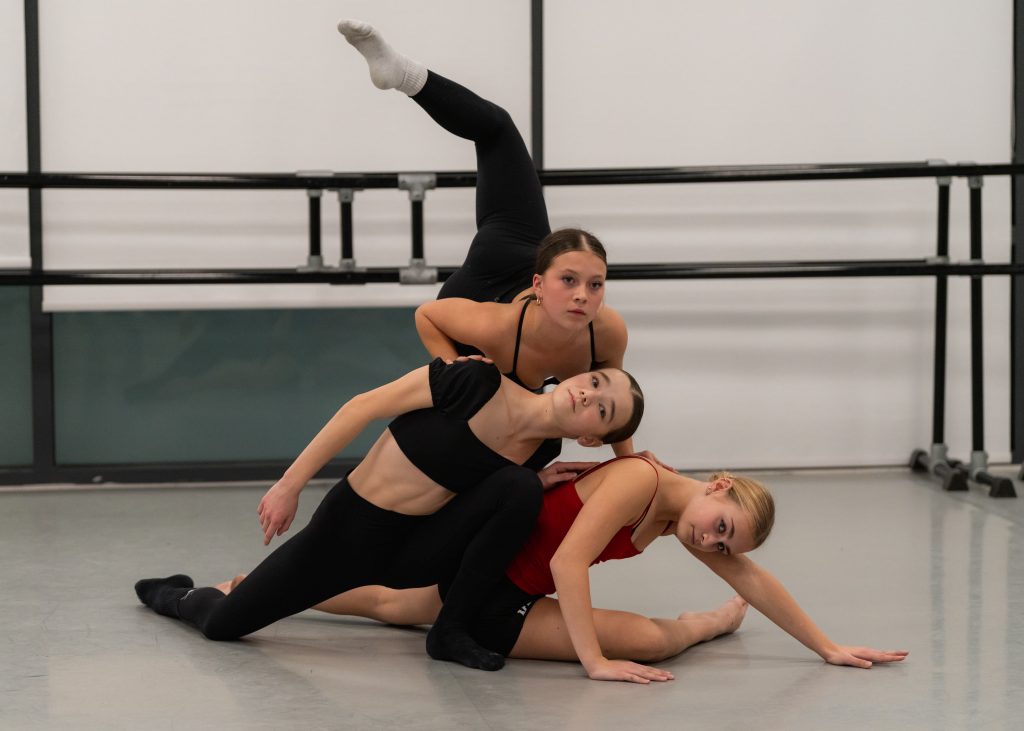
9.1 Understanding Competitive Fees
Competitive dance is a significant financial commitment, and we are committed to providing families with clear and transparent information about program costs. To help families understand what they are paying for and when, NCDC organizes competitive fees into four main categories:
1. Choreography Fees
2. Rehearsal & Studio Rental Fees
3. Dress Rehearsal & Theatre Fees
4. Event Entry Fees
Choreography fees are paid directly to the choreographer. Rehearsal/studio, theatre, and event entry fees are paid directly to NCDC and may be combined into a studio fee payment plan. Additional expenses, including costumes, private lessons, travel, parking, makeup, media fees, and other event-related costs, may also apply throughout the season.
Each year, families will receive an Annual Competition Guide outlining current pricing, payment options, competition dates, deadlines, and other season-specific financial information. The policies below explain how these fees work and the financial expectations associated with participation in NCDC’s competitive program.
9.2 Choreography Fees
Choreography fees compensate teachers for the creation and preparation of competitive routines, including music selection and editing, choreography, teaching time, costume planning, and other preparation associated with the routine. Fees may vary depending on the choreographer, routine type, and number of dancers involved.
Choreography fees are paid directly to the choreographer. Prior to choreography beginning, families will receive payment instructions and deadlines specific to each routine.
9.3 Rehearsal & Studio Rental Fees
Once choreography has been set, group rehearsal fees cover scheduled studio space and teaching staff for competitive rehearsals beginning in January.
Solo, duet, and trio dancers may also have studio rental fees associated with independent rehearsal time.
Rehearsal and studio rental fees are paid directly to NCDC and are included within the payment plans outlined in the Annual Competition Guide.
9.4 Dress Rehearsal & Theatre Fees
Dress rehearsal and theatre fees cover venue rental, staffing, and other expenses associated with scheduled dress and stage rehearsals prior to competition season.
These fees are paid directly to NCDC and are included within the studio fee payment plans outlined in the Annual Competition Guide.
9.5 Event Entry Fees
Each competition or event charges an entry fee for every routine entered. Fees vary depending on the event and whether the routine is a group, trio, duet, or solo.
NCDC collects these fees from families and submits registrations and payments to each event on behalf of our dancers. Event fees may also include studio charges associated with staffing and supporting dancers at competitions.
Some events may require additional media, title, program, Dance Off, or other participation fees. Any applicable fees will be communicated to families as part of the Annual Competition Guide or as they arise.
9.6 Private Lessons
Private lessons are separate from regular tuition and competitive studio fees.
Current private lesson rates and booking information are communicated each season, and all payments are handled and go through the studio accounts, not directly to teachers.
9.7 Costumes & Additional Expenses
Competition costumes are an additional expense and are not included within regular competitive studio fees.
Costume deposits are collected throughout the season to allow costumes to be ordered on schedule. Final costume costs vary depending on the routines in which a dancer participates and the costumes selected. Any remaining balance or adjustment will be applied once final costs are confirmed.
Families should also plan for additional expenses associated with competitive participation, which may include:
- Travel and accommodations
- Parking
- Competition makeup and other required personal items
- Media, program, title, Dance Off, or other event-specific fees
Current costume deposits and other known season-specific costs are outlined in the Annual Competition Guide.
9.8 Payment Plans & Deadlines
NCDC offers several payment plan options each season to help families plan for the financial commitment of competitive dance.
Rehearsal/studio, theatre, and event entry fees are paid directly to NCDC according to the payment plan selected by each family. Current payment options, methods, and deadlines are outlined in the Annual Competition Guide. Regardless of the payment plan selected, families are responsible for ensuring payments are received by the communicated deadlines.
NCDC pays or commits to many competitive expenses on behalf of dancers in advance, including competition registrations, theatre rentals, staffing, costumes, and other third-party expenses. We do so in good faith with the expectation that family accounts will remain current as balances become due.
Respecting payment deadlines allows NCDC to honour our commitments to the competitions, venues, professionals, small businesses, and other organizations that help make our competitive program possible.
9.9 Late or Outstanding Payments
Accounts are expected to remain in good standing throughout the season. Late fees may be applied to payments received after communicated deadlines, in accordance with the policy agreed to upon registration for regular classes.
Competition registrations, costume orders, and other competitive expenses are subject to external deadlines that NCDC cannot control. Late or outstanding payments may result in a dancer being unable to participate in classes, rehearsals, competitions, or other competitive activities until the account is brought up to date. Any additional costs incurred as a result of a missed family payment deadline may be the responsibility of the family.
If circumstances arise that may affect your ability to meet a payment deadline, please contact the office before the payment becomes overdue. Early communication gives us the best opportunity to discuss available options. We are always willing to work with our families whenever possible to find a reasonable arrangement.
9.10 Withdrawals & Refunds
Competitive expenses are often committed well in advance and may become non-refundable once choreography has begun, costumes have been ordered, competition registrations have been submitted, or other expenses have been incurred on a dancer’s behalf.
If a dancer withdraws from a routine or from the competitive program, families remain responsible for any non-refundable or already-committed costs associated with their participation. Any refund or remaining balance will be determined based on the timing of the withdrawal and the expenses already incurred or committed by NCDC.
Please contact the office as soon as possible if a dancer’s participation changes.
9.11 Questions & Financial Communication
We understand that competitive dance involves many different expenses and can feel overwhelming, particularly for families who are new to the program. If you have questions about fees, payment schedules, account balances, or the financial commitments associated with your dancer’s participation, please contact the office.
We are always happy to clarify charges and help families understand what to expect throughout the season. Early communication is especially important if you anticipate difficulty meeting a payment deadline.
Our Commitment to You
Being part of the NCDC Competitive Team is a commitment we make to one another. Our dancers and families give an extraordinary amount of time, energy, trust, and support to this program. We recognize the responsibility that comes with that trust.
We commit to:
- Creating an environment where dancers feel challenged, supported, valued, and safe to learn, take risks, ask questions, and make mistakes.
- Providing thoughtful instruction, meaningful feedback, and opportunities that support each dancer’s growth and development.
- Seeing and considering the whole dancer—not simply their technique, routines, scores, or results.
- Preparing for our classes and rehearsals and respecting the time and commitment our dancers and families give to the program.
- Communicating and collaborating as a teaching team so dancers receive consistent, thoughtful guidance.
- Remaining mindful of dancer workload, physical wellbeing, recovery, and overall development when making recommendations.
- Encouraging curiosity, independence, resilience, accountability, teamwork, and a willingness to keep growing.
- Treating dancers and families with kindness, respect, fairness, professionalism, and open communication.
- Modelling the sportsmanship, accountability, professionalism, kindness, and respect we ask of our dancers.
We understand that our role extends beyond teaching steps. The way we coach, communicate, make decisions, respond to challenges, and treat the people around us helps shape the culture our dancers grow up within. We do not expect perfection from our dancers, their families, or ourselves. We commit to showing up with care, consistency, integrity, and a willingness to listen, learn, and continue doing our best. Above all, we will remain guided by one of our most important principles: Dancer before the dance.
We are proud to make this commitment to our dancers, their families, one another, and the NCDC community!
Your NCDC Team